

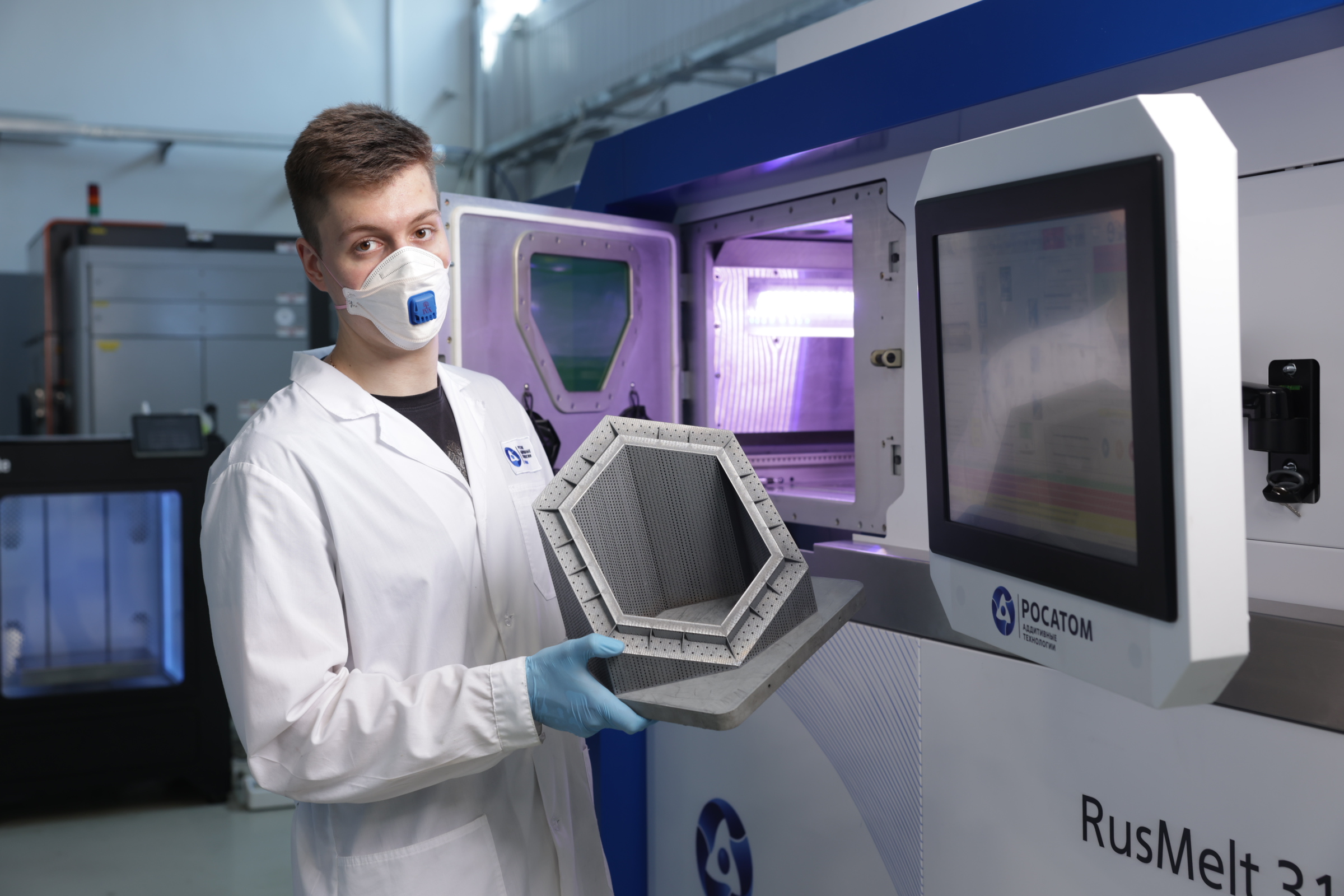
2024 marked another important stage in Rosatom’s efforts to introduce and advance additive manufacturing in the nuclear industry and wider industrial sectors. A systematic approach to developing 3D printing across the production chain delivered significant results.
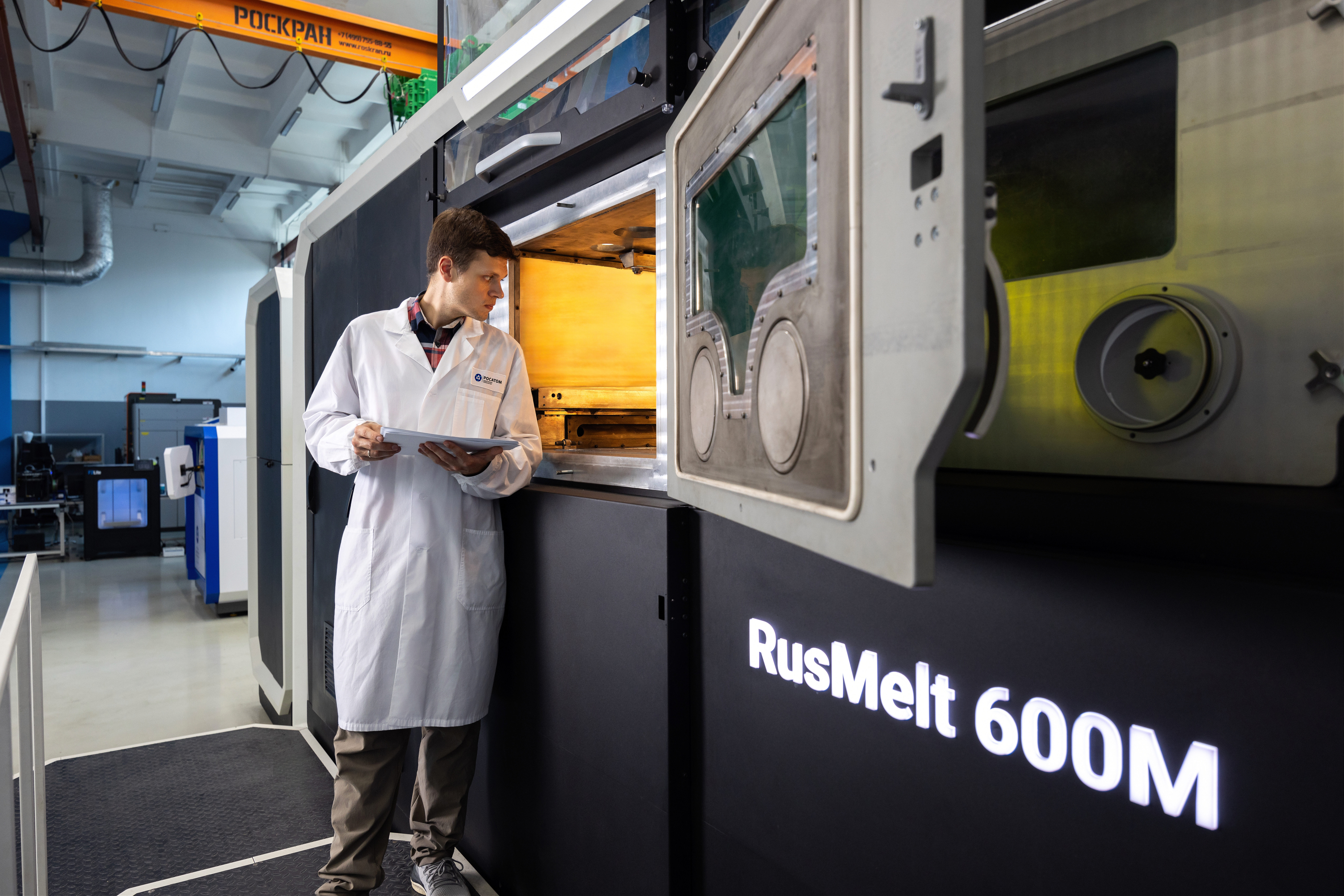
One of the milestones was the launch of serial production of the upgraded RusMelt 300M SLM 3D printer. The first batch of nine units has been completed at Rosatom’s Additive Technologies Center: several have already been shipped to customers, while the rest will be delivered in early 2025. Orders for 15 more units are already secured for 2025, supported by expanded production capacity and new facilities.
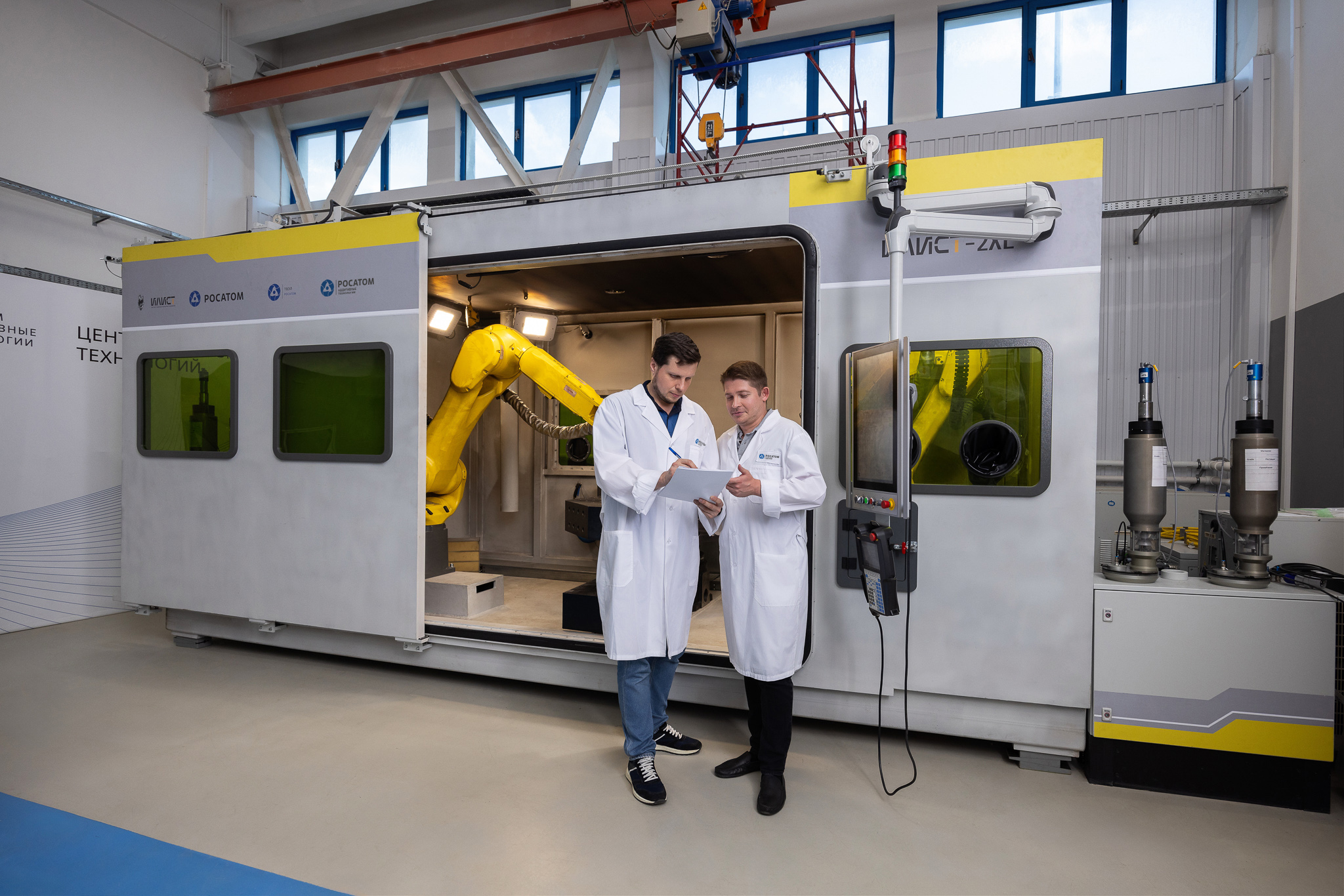
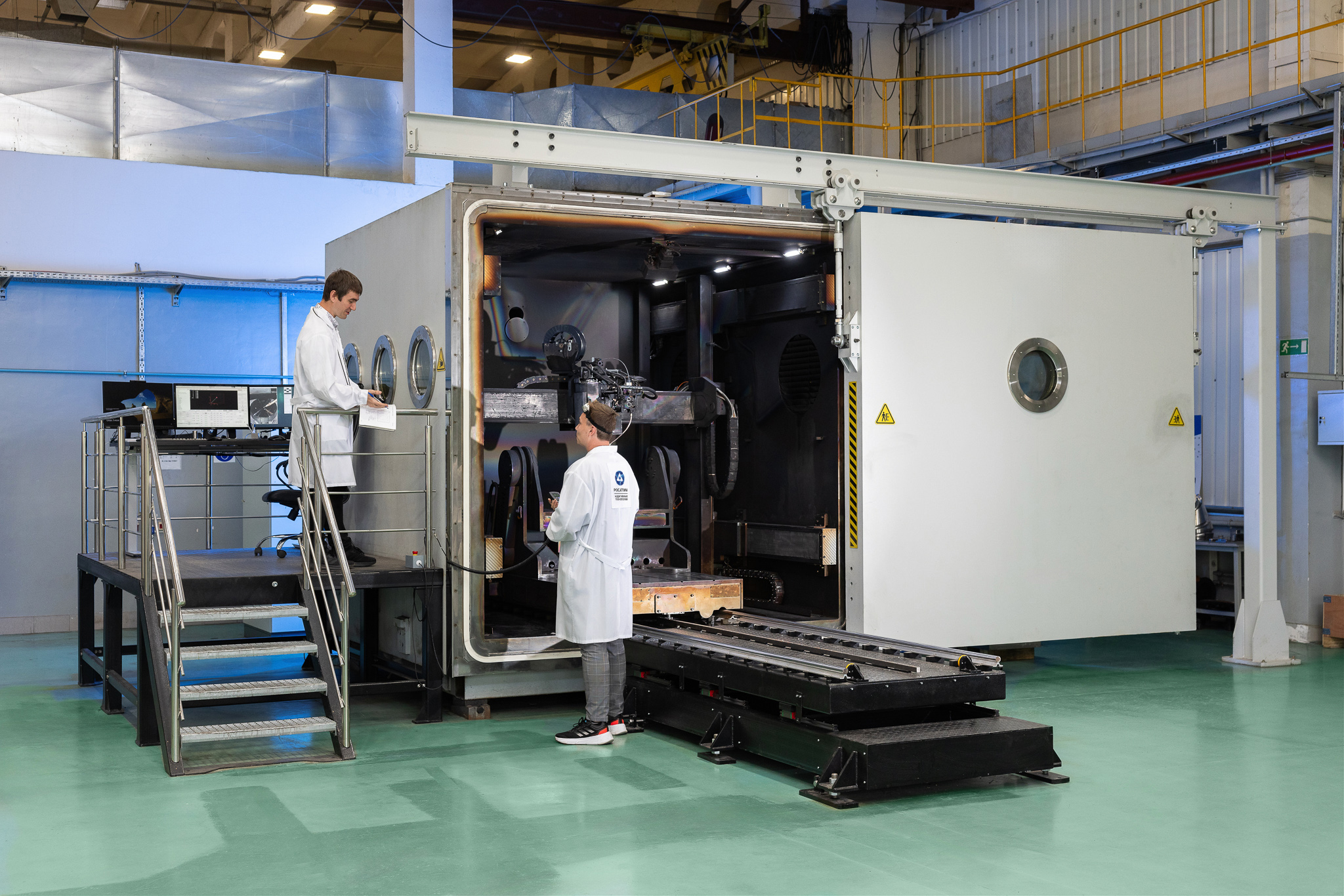
Work is nearing completion on a prototype of the large-format RusMelt 610M SLM printer, with a build volume of 600×600×600 mm. At the same time, Rosatom is expanding its SLM lineup with smaller systems featuring build volumes of 100 mm and 150 mm. Assembly of a DMD single-robot 3D printer is being finalized, and manufacturing has begun on an EBAM unit for export, scheduled for delivery in late 2025.
A strategic goal for Rosatom Additive Technologies is to grow exports to account for more than 30% of equipment sales revenue. International cooperation is already underway with partners in India, Bangladesh, Egypt, and Belarus. In India, Rosatom is finalizing contractual frameworks and logistics for supplying equipment to both government and private-sector customers. In Belarus, the Republican Center for Additive Technologies will open in 2025 and will be equipped with Rosatom 3D printers.
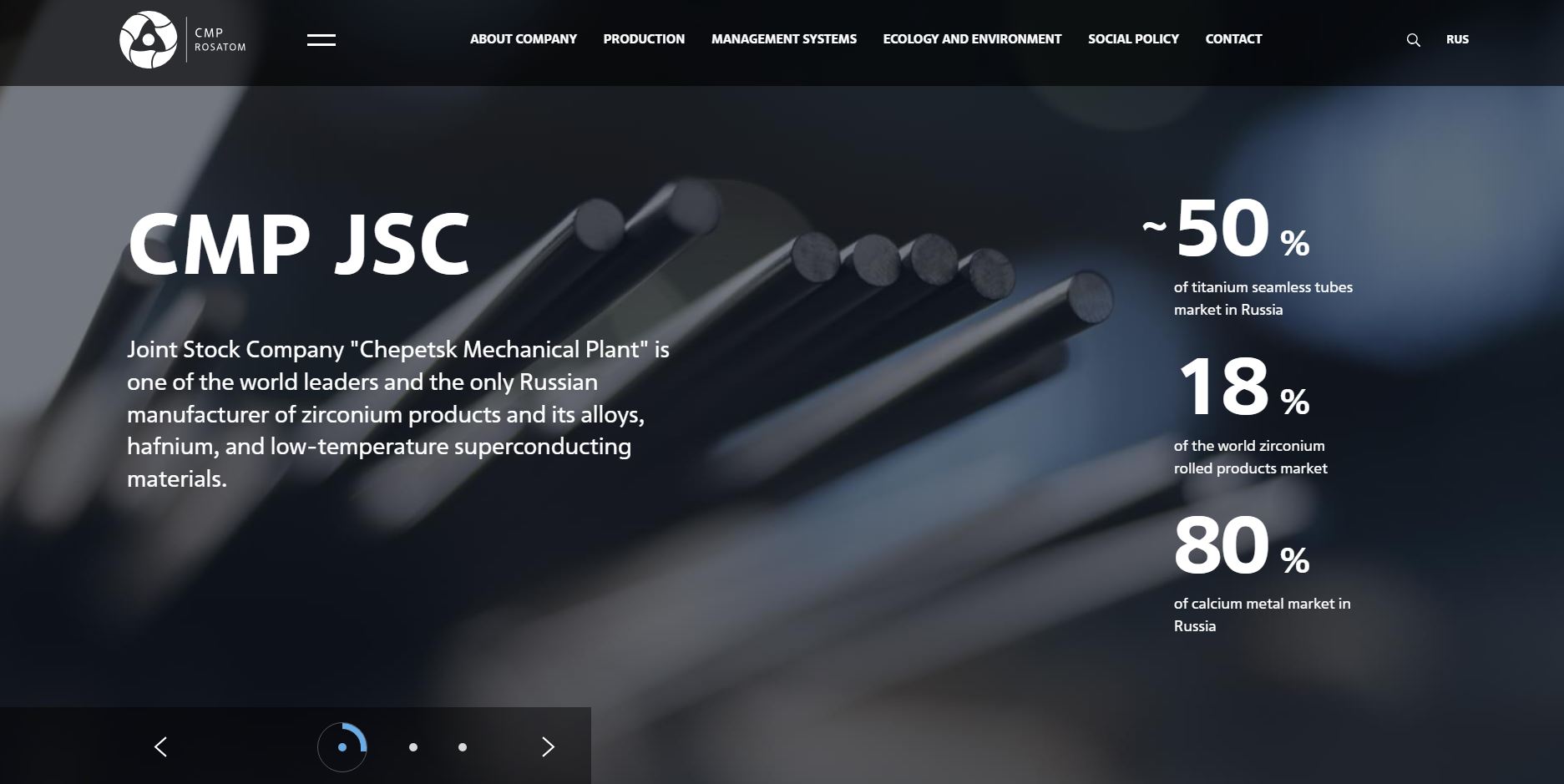
In 2024, Rosatom achieved major results in import substitution of titanium alloy powders for industrial 3D printing. At Chepetsk Mechanical Plant (CMP), Rosatom opened production of titanium alloy powders from its own raw materials, ensuring long-term supply for the Russian market. The full-cycle production approach at CMP allows precise control of powder and wire properties, making them suitable for highly demanding applications in aviation, energy, space, automotive, electronics, and medical industries.
The next stage at CMP will be the development of heat-resistant nickel- and cobalt-based powders. Additionally, around 20 tons of stainless steel powder were produced in 2024 at Centrotech SPA.
Two new Public Access Additive Technologies Centers (PA ATCs) opened in 2024 at Tomsk Polytechnic University and Belgorod State Agricultural University. Two more are being prepared in Samara and Khabarovsk. The expansion of this federal network will help address skills shortages, improve technology readiness, and make additive manufacturing more accessible to regional industries. To date, 14 universities have signed cooperation agreements with Rosatom on scaling the program.
A landmark event in 2024 was the delivery of a 3D-printed pump impeller, produced on a RusMelt 300M printer, to the Siberian Chemical Combine in Seversk. The part is used in circulating water through the heat exchanger of a uranium hexafluoride production line—an essential component of nuclear fuel for power plants. The operational experience will contribute to building a solid case for wider use of additive manufacturing in the nuclear industry. Ten additional components of various safety classes are now under development and will undergo testing soon.
Reference
About Rosatom Additive Technologies
Additive manufacturing helps optimize processes, reduce production costs by up to 90%, cut overall expenses by half, minimize environmental impact by eliminating harmful emissions, and accelerate time-to-market by up to 75%.
The nuclear industry serves both as a supplier and a major consumer of additive technologies. Rosatom actively integrates 3D printing into its business processes while also developing a nationwide ecosystem of Public Access Additive Technologies Centers (PA ATCs), managed by Rosatom Additive Technologies within the Fuel Division of Rosatom. This initiative directly contributes to strengthening Russia’s technological sovereignty.
Rosatom Additive Technologies covers the entire chain of additive manufacturing — from designing 3D printers and components to producing specialized powders, developing software, and training personnel. The company provides Russian industrial enterprises in strategic sectors with reliable equipment, high-quality materials, and professional services for the deployment of additive manufacturing. Learn more at https://rosat.tvel.ru/
About TVEL Fuel Company
TVEL Fuel Company (Fuel Division of Rosatom) includes enterprises for nuclear fuel fabrication, uranium conversion and enrichment, gas centrifuge production, as well as research and design organizations. As the sole supplier of nuclear fuel for Russian nuclear power plants, TVEL fuels more than 70 power reactors in 15 countries, research reactors in nine countries, and propulsion reactors of the Russian nuclear fleet. Every sixth power reactor in the world runs on TVEL fuel. The Fuel Division is also the world’s largest producer of enriched uranium and a global leader in the isotope market. TVEL is actively developing new businesses in chemistry, metallurgy, energy storage technologies, 3D printing, digital solutions, and decommissioning of nuclear facilities. Within TVEL, Rosatom has established industry integrators for additive technologies and energy storage systems. Learn more at www.tvel.ru