

-2-2.jpg)
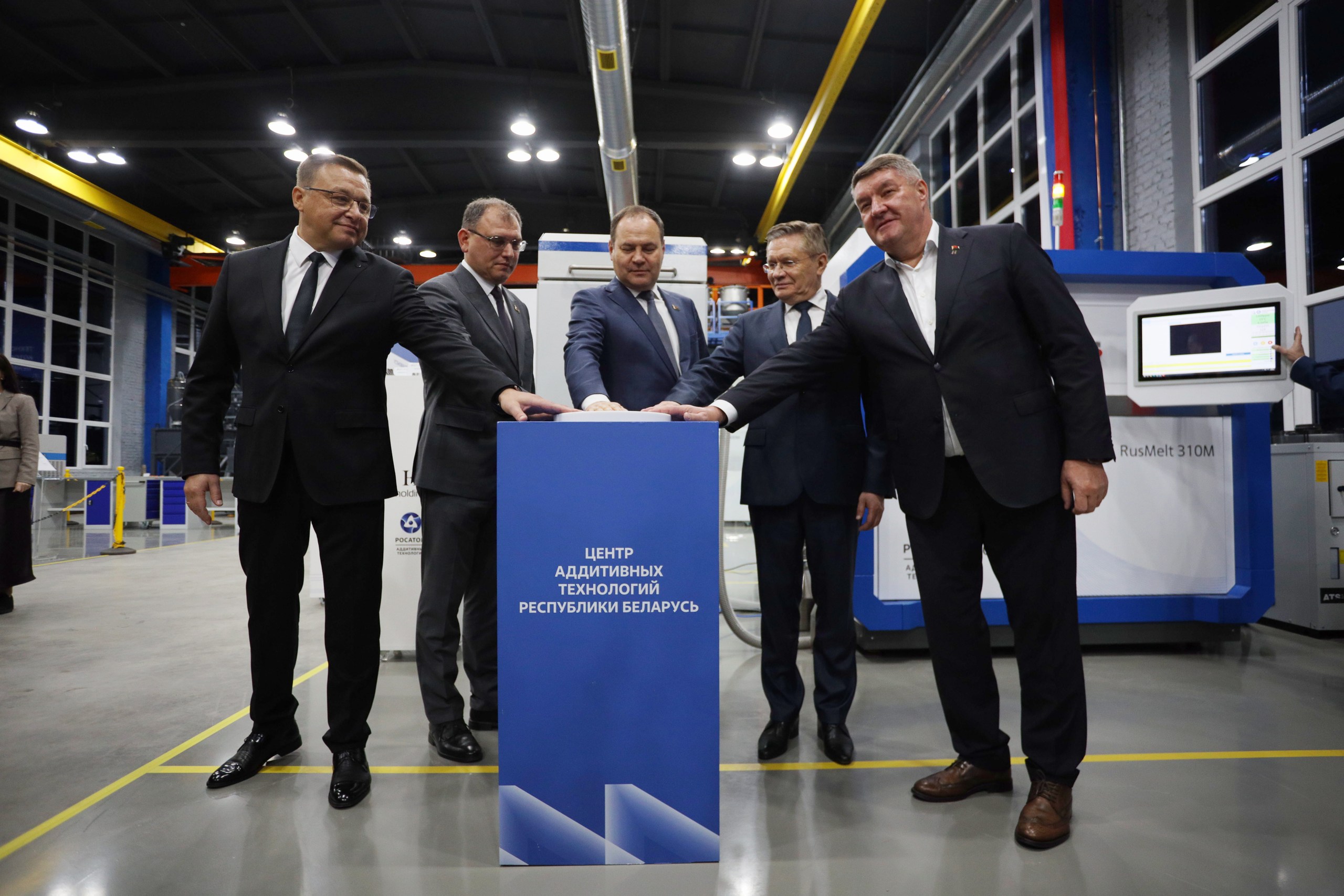
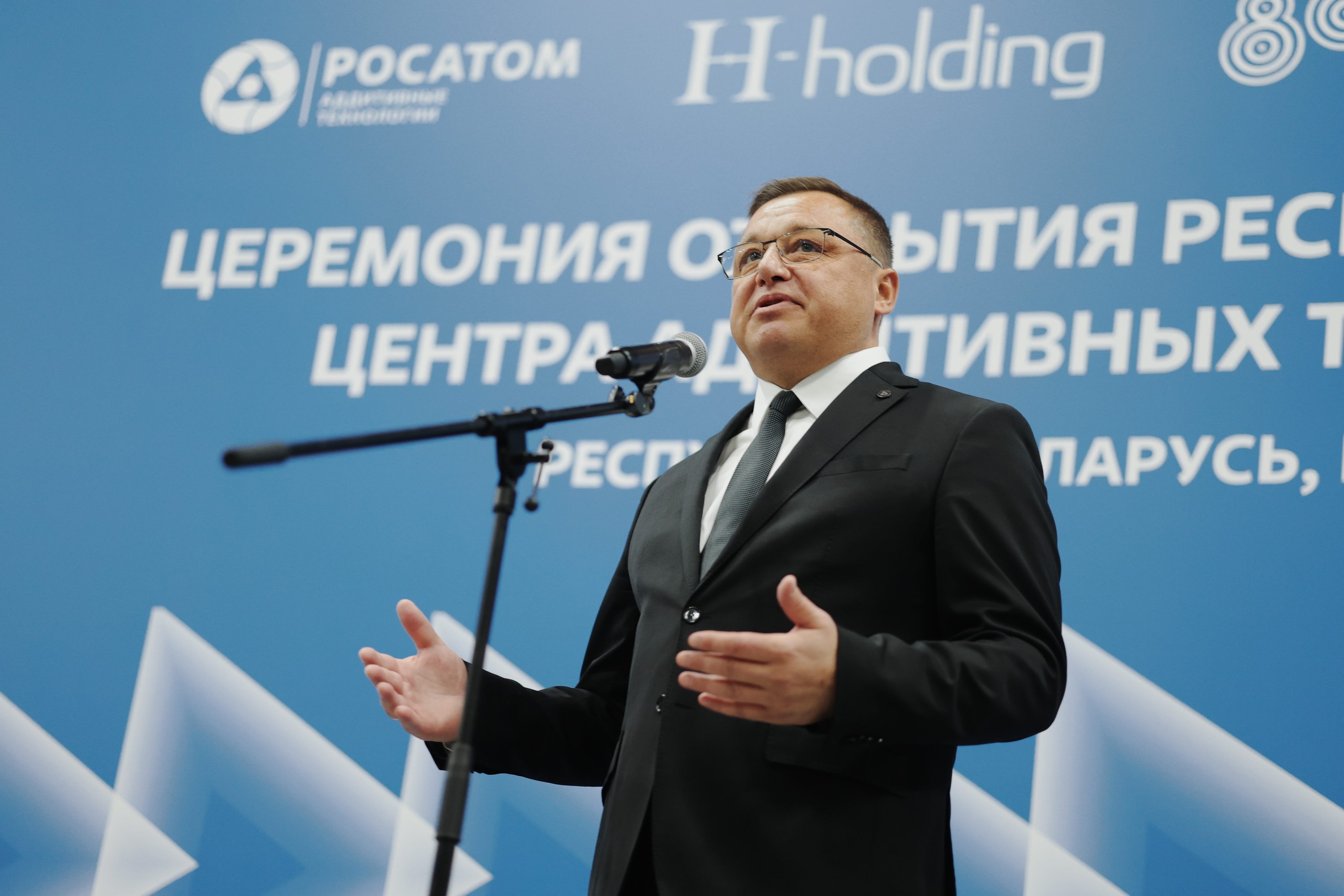
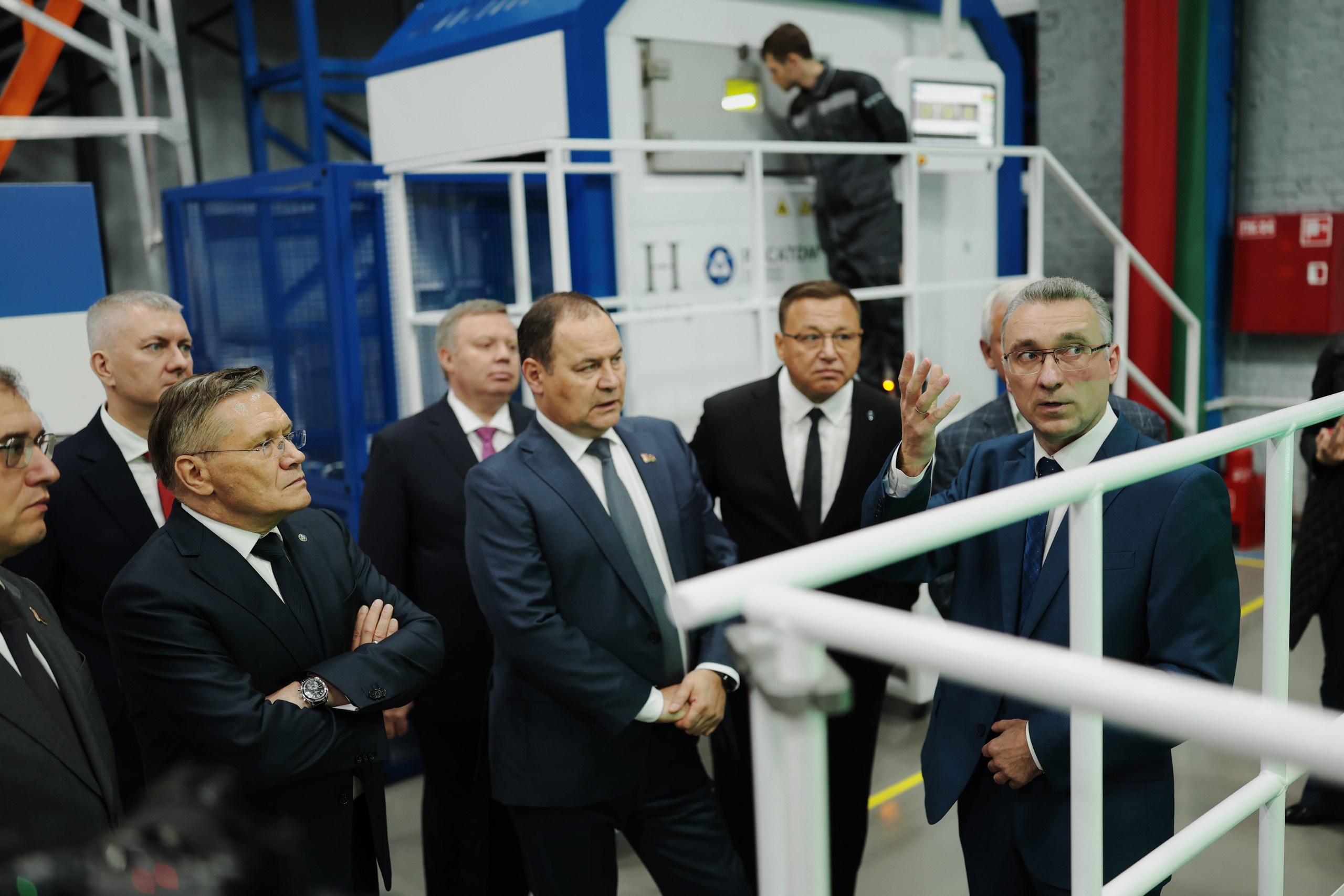
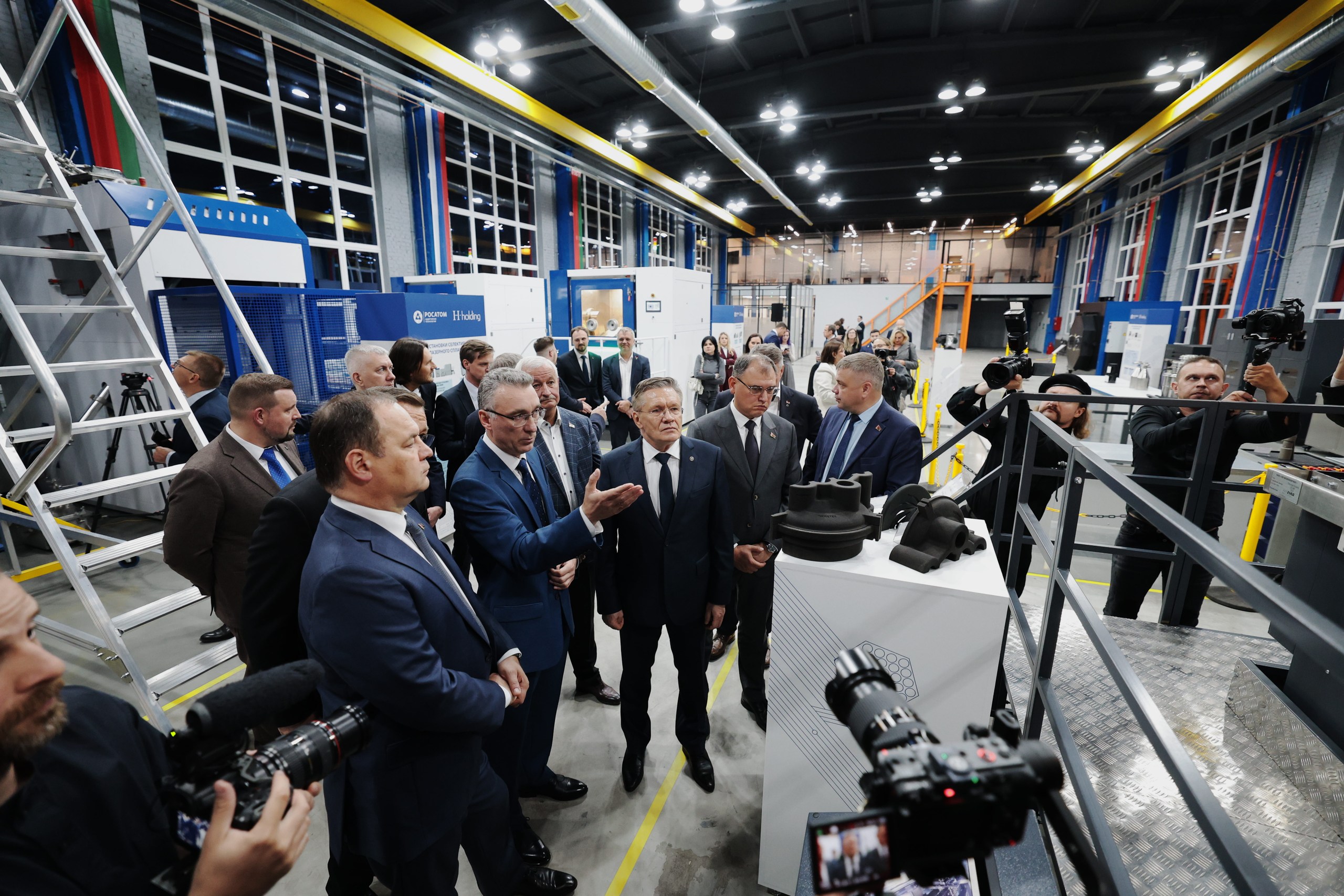
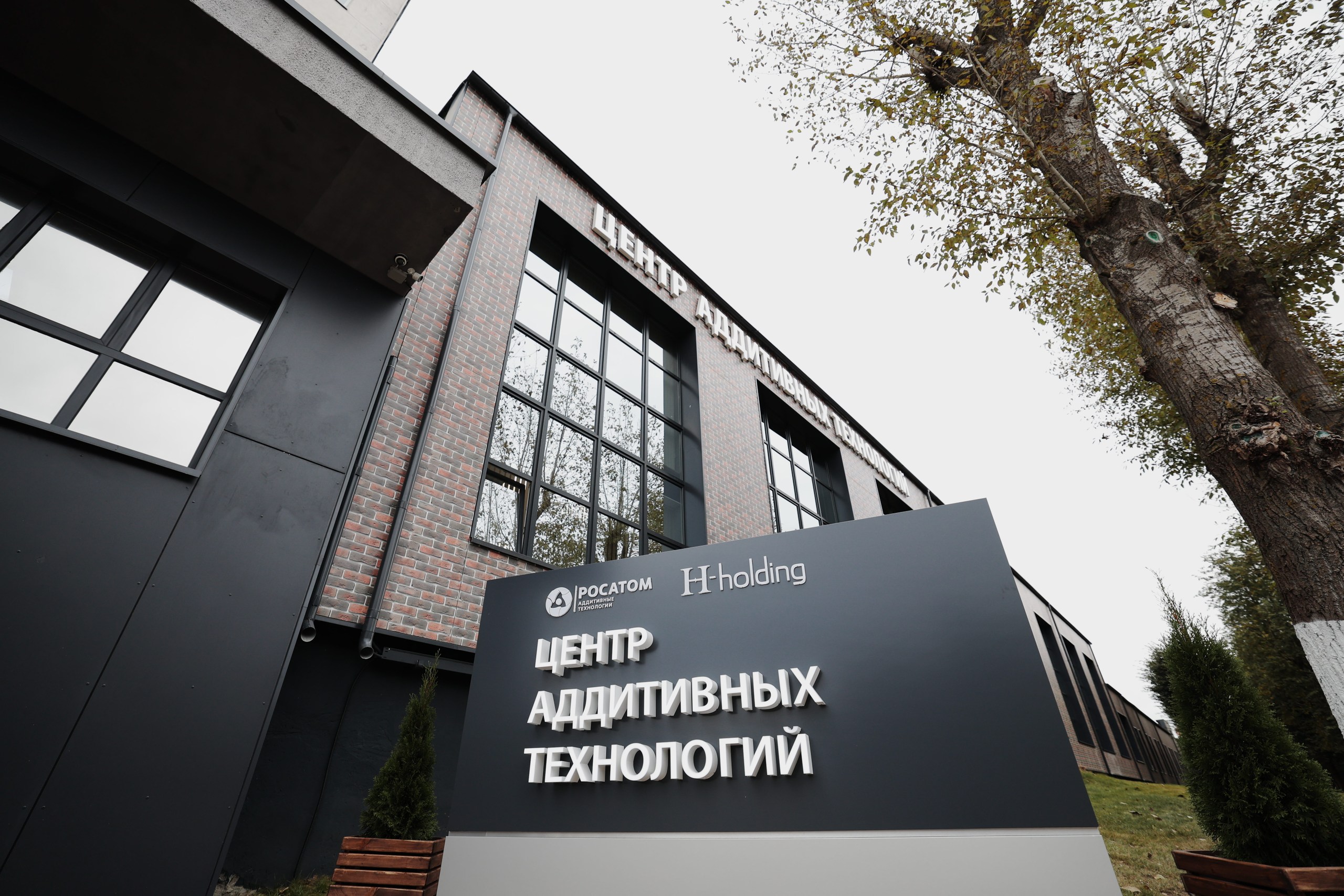
Rosatom has opened the first Additive Technologies Center (ATC) in the Republic of Belarus. The event was held alongside the international exhibition Innoprom Belarus. The project was implemented jointly by Rosatom and the Belarusian company H-Holding.
“With the support of the President of Belarus, cooperation between the Belarusian government and Rosatom is growing rapidly across many areas. The opening of the Additive Technologies Center is the first major example of a non-nuclear innovation project. Belarusian companies are already starting to use additive manufacturing, and the establishment of this center will give a strong boost to the development of new products and their applications in medicine, energy, aerospace, and other high-tech industries,” said Viktor Karankevich, Deputy Prime Minister of the Republic of Belarus, at the opening ceremony.
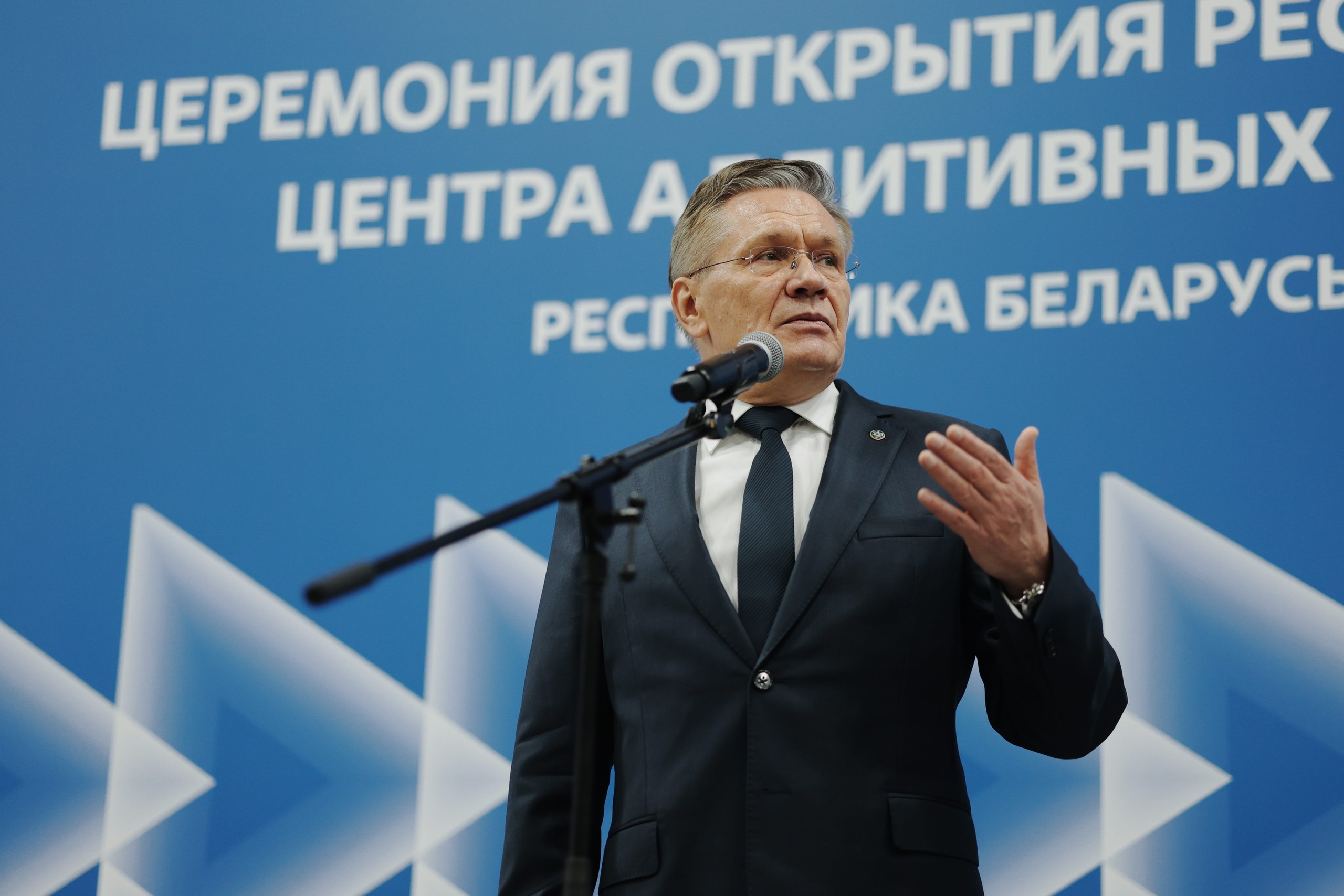
“After the second power unit of the Belarusian Nuclear Power Plant was commissioned, and at the request of the President of Belarus, we began developing new projects, including non-nuclear business areas that have evolved from our expertise in the nuclear industry. The adoption of additive manufacturing represents a transition to a new technological paradigm. Compared to traditional production methods, 3D printing allows us to produce unique, complex-shaped parts quickly, efficiently, and with virtually no waste. Establishing the Additive Technologies Center was the first item on our cooperation roadmap with the Government of Belarus, and we managed to complete this project ahead of schedule. All equipment at the center is fully technologically independent of third countries, and more than half of the machines were manufactured by Rosatom. I am confident that the center’s export potential will soon allow it to bring its products and services to international markets,” said Alexey Likhachev, Director General of Rosatom State Corporation.
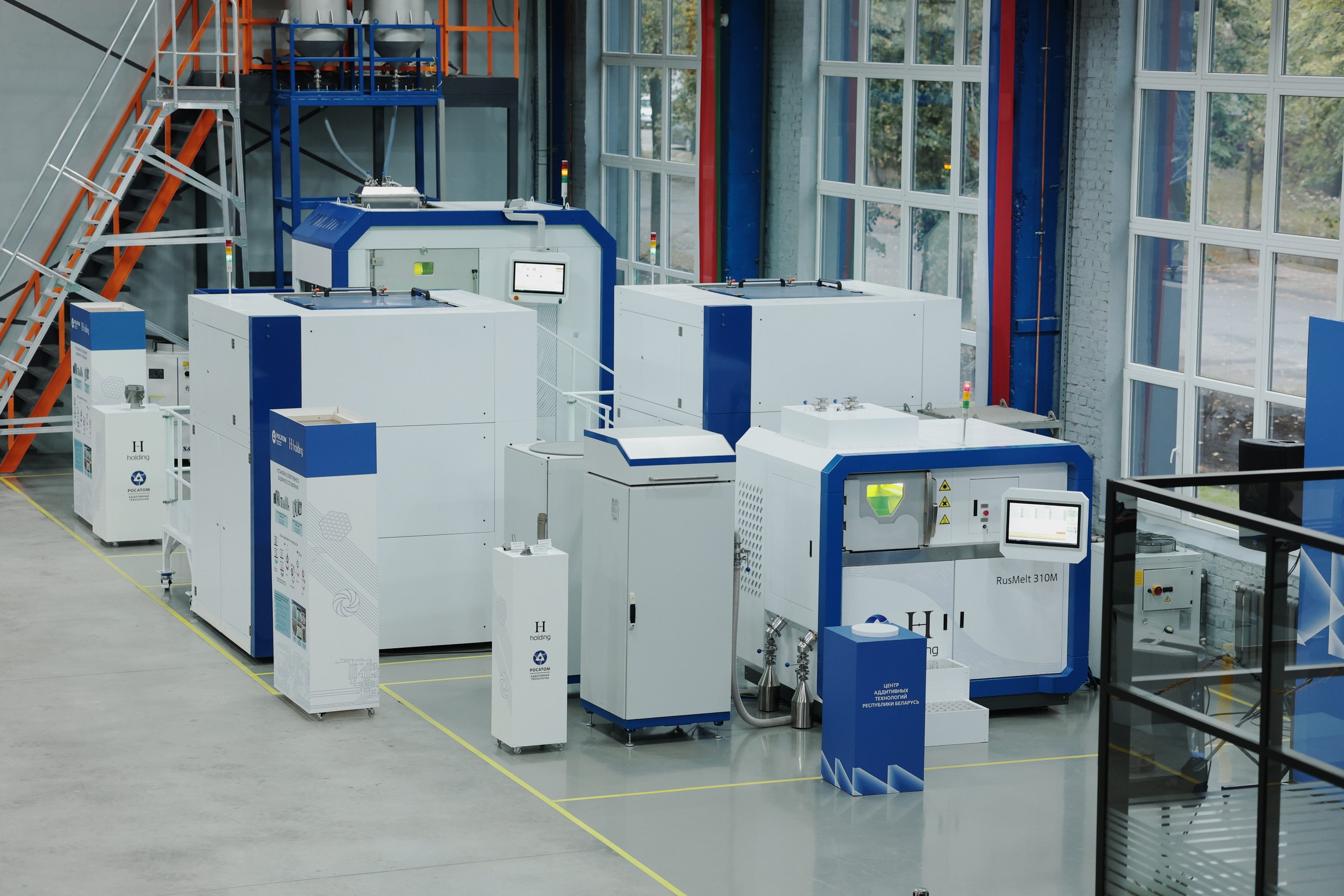
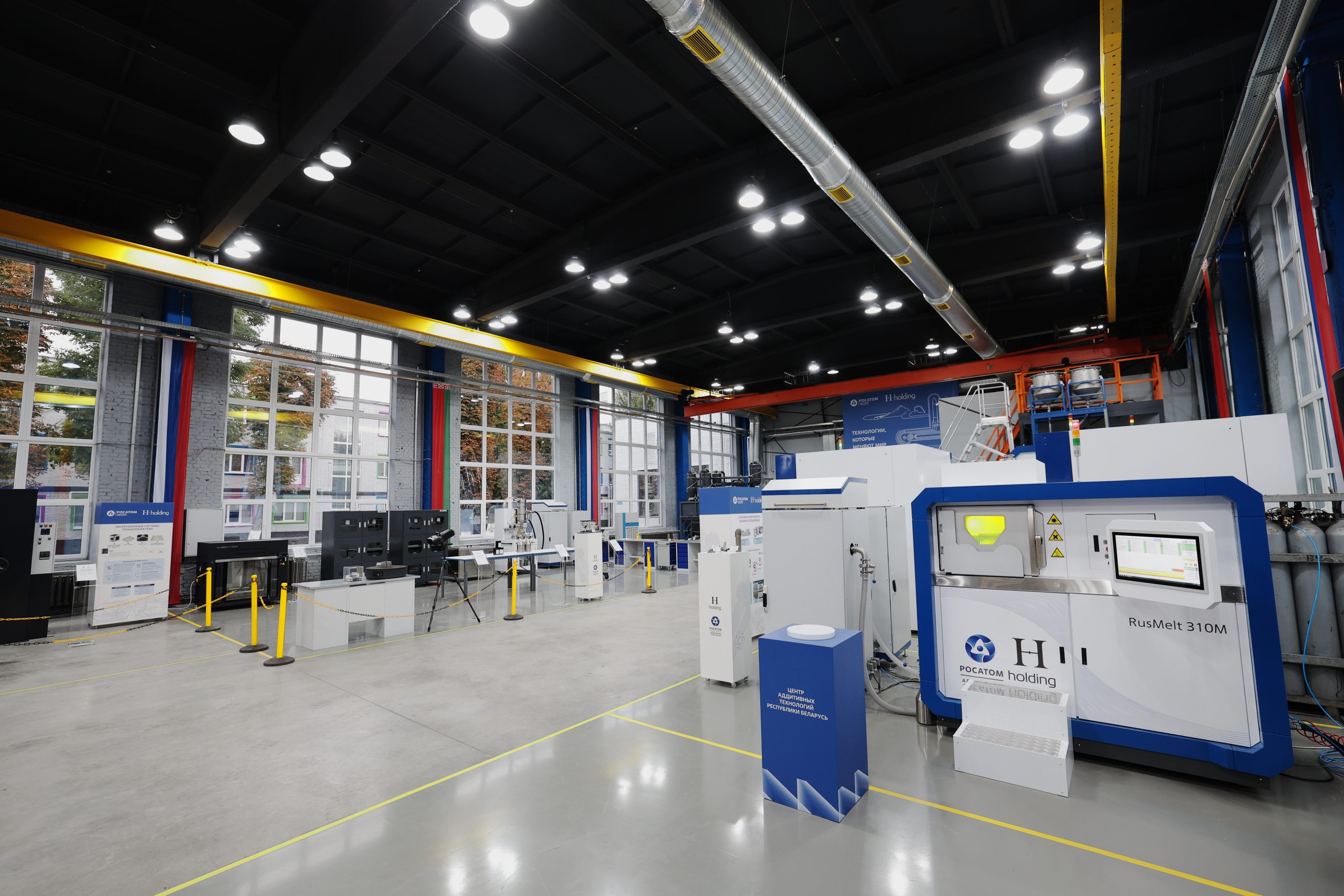
For Rosatom, this is the company’s first Additive Technologies Center established outside Russia. It builds on the experience and expertise of the Russian nuclear industry. Since 2020, with the direct involvement of Rosatom’s Additive Technologies Business Unit in the Fuel Division, three similar centers have been launched at Rosatom enterprises, and seven more open-access additive manufacturing centers have been set up at educational institutions across Russia — from Belgorod to Khabarovsk. The new center in Belarus is equipped with two metal 3D printers using selective laser melting (SLM) technology — the medium-format RusMelt 300M and the large-format RusMelt 600M. Both serial-production systems were developed by nuclear industry specialists to meet the needs of leading Russian industrial companies. It also features a domestically produced system for 3D printing sand–polymer molds for casting, as well as a 3D scanner developed by one of Rosatom’s technology partners. Combining 3D scanning with additive manufacturing enables an integrated workflow — from producing parts based on customer models to reverse engineering.
As part of Rosatom’s exhibit at the Innoprom Belarus trade fair, the company presented a 3D printed part for the Belenergo State Production Association of Power Industry — an impeller for a condensate pump. Previously, parts of this type for thermal power plants had to be imported. The Belarusian Additive Technologies Center will be capable of producing up to 1.5 tonnes of metal components, up to 3 tonnes of sand–polymer molds, and up to 100 kilograms of engineering plastic parts per year. Given the nature of additive manufacturing — small- and medium-scale production of complex, uniquely designed components — the center’s production capacity will meet the growing demand for 3D printing technologies across key sectors of Belarusian industry. The center will also manufacture small metal 3D printers, which are in demand in the medical sector, research institutions, and educational organizations.
“With the support of the Government of Belarus, Rosatom specialists visited more than 50 enterprises across the country to conduct technology audits and assess the potential for introducing 3D printing. Today, many of Belarus’s major industrial companies are already using additive manufacturing and are considering 3D printing parts for their serial production. The new Additive Technologies Center in Minsk is a model project that we will showcase to partners from other countries considering similar initiatives. This center should also become a hub for technically minded young people — we plan to invite university students for internships and school students for early career orientation. In ten years, this will help form a new generation of engineers and managers capable of making full use of additive manufacturing technologies,” said Ilya Kavelashvili, Director of Rosatom’s Additive Technologies Business Unit, at the opening ceremony.
Reference
About Additive Technologies Center RN LLC
Additive manufacturing makes it possible to produce parts and components that are difficult or impossible to create using traditional methods such as casting and machining. 3D printing reduces product weight, optimizes material use, and shortens production time. Modern 3D printers can be quickly reconfigured to adjust printing parameters for different materials. Additive manufacturing is used in a wide range of industries — from nuclear and space technologies to medicine.
Additive Technologies Center RN LLC is a joint Russian–Belarusian enterprise established to create the National Additive Technologies Center as part of the cooperation roadmap between Rosatom State Corporation and the Government of the Republic of Belarus (approved in December 2023). At the initial stage in 2025, the Center will provide 16 highly qualified jobs, with plans to increase this number to 40 by 2027.
About H-Holding
H-Holding is a Belarusian industrial group that includes 20 enterprises producing more than 1,500 models of consumer electronics and employing around 5,000 people. An important aspect of the Center’s operations will be cooperation with H-Holding companies in the post-processing of printed parts, including final machining and the application of specialized coatings to meet specific customer requirements.
Rosatom was among the first in Russia to begin developing Russian-made 3D printing equipment.
About Additive Technologies Business Unit
Additive Technologies Business Unit (part of the Fuel Division) offers a comprehensive solution covering the full cycle — from the development of 3D printers, components, printing materials, and software, to service support, personnel training, 3D printing services, and the creation of turnkey additive manufacturing centers at customer facilities.
Rosatom integrates the entire additive manufacturing value chain and provides Russian industrial companies in strategic sectors with advanced, reliable equipment, materials, and professional services for adopting additive manufacturing technologies. The company offers a full range of additive manufacturing capabilities: metal, polymer, and sand printing, 3D scanning, R&D, and on-site technology audits to identify the most effective ways of implementing additive manufacturing at