

February 18, 2026. The Federal Agency for Technical Regulation and Metrology (Rosstandart) has approved three new national standards in additive manufacturing developed by enterprises of Rosatom’s Fuel Division. Developed for the first time, the standards will enter into force in Russia on July 1, 2026.
The three new standards — GOST R 72500–2025, GOST R 72501–2025, and GOST R 72499–2025 — define technical specifications and production requirements for a range of materials used in 3D printing, including titanium and steel wire, as well as stainless steel metal powders. Components produced from these materials offer strong potential for application in high-technology sectors such as aerospace, nuclear energy, healthcare and other advanced industries.
With this approval, Rosatom continues its systematic effort to build a comprehensive regulatory framework for additive manufacturing in Russia. More than 50 additive manufacturing standards are currently in force nationwide, covering the production of components for the nuclear and mechanical engineering industries, shipbuilding, metallurgy, petrochemicals, aerospace and other sectors. Most of these standards have been developed by enterprises of Rosatom’s Fuel Division (managed by JSC TVEL).
“The introduction of unified standards is a key step in moving from experimental prototyping of individual parts and components to efficient serial production of industrial products using additive manufacturing. Rosatom takes an integrated approach, systematically establishing uniform technical requirements for technologies, raw materials and finished products, refining and seamlessly standardizing the entire production and technological chain. In a rapidly developing additive manufacturing sector, the availability of unified standards not only sets clear ground rules for all market participants, but also accelerates production processes by enabling engineers and designers to focus on product development rather than administrative procedures,” said Ilya Kavelashvili, Director of the Additive Technologies business unit at Rosatom’s Fuel Division.
The development and implementation of the new standards are being carried out within the framework of Technical Committee for Standardization TC 182 “Additive Technologies,” established by decision of the Federal Agency for Technical Regulation and Metrology (Rosstandart) and uniting more than 60 scientific and industrial organizations across the country. In accordance with the forward-looking standardization program approved by the Russian Ministry of Industry and Trade in cooperation with Rosstandart, more than 50 additional national standards in additive technologies are scheduled to be developed and updated by 2030 with the participation of TC 182.
Reference
GOST R 72500-2025 establishes technical requirements for the quality of titanium and titanium alloy wire used in additive manufacturing. Wire produced in accordance with this standard is intended for the fabrication of large workpieces and finished products using 3D printing for sectors such as aviation, nuclear energy and healthcare.
GOST R 72501-2025 has been developed based on R&D results and the production experience of specialists from the Additive Technologies business unit of Rosatom’s Fuel Division. Components made of 12Kh18N10T steel using directed energy deposition are considered promising for use in aircraft and rocket-space engineering, shipbuilding, mechanical engineering and other industries.
GOST R 72499–2025 defines the specifications for stainless steel metal powder compositions in accordance with GOST 5632 intended for use in additive manufacturing processes. The approved standard is designed for use by manufacturing enterprises in the development of standardization documents (technical specifications) for various grades of metal powder compositions.
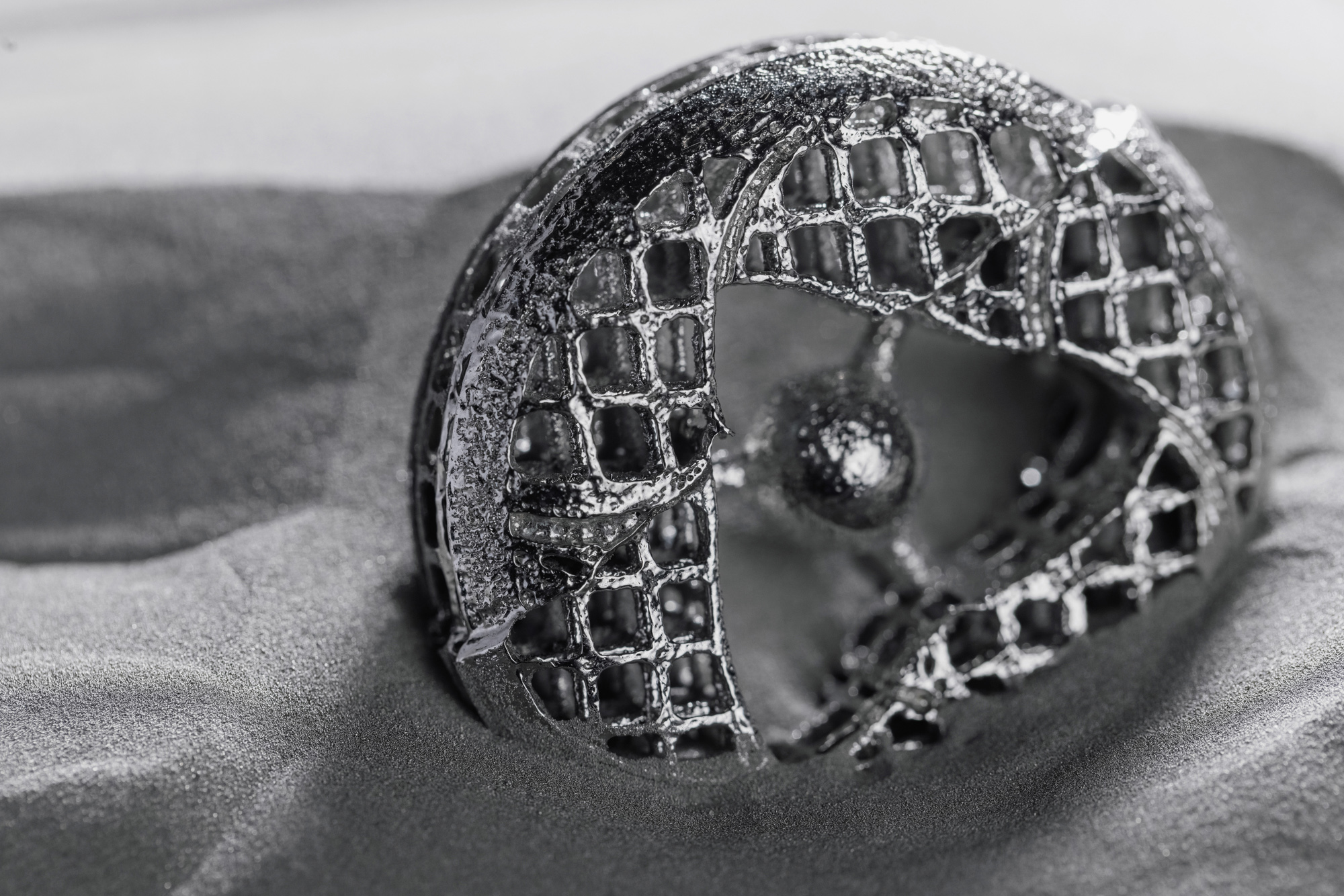
Additive manufacturing enables the production of parts that are difficult or impossible to make using conventional casting and machining. 3D printing reduces component weight, optimizes material use, and shortens production lead times. Modern additive systems allow rapid parameter adjustment to process a wide range of materials. These technologies are used across industries, including nuclear energy, aerospace, industrial manufacturing, and medicine.
Rosatom’s Additive Manufacturing business unit, part of the Fuel Division, was established to consolidate additive manufacturing expertise within the State Corporation. The unit has developed a full-cycle additive manufacturing ecosystem, including industrial 3D printers, key components, metal powders, software, printing materials, and personnel training. It provides strategic industries with equipment, materials, and engineering support for the implementation of additive manufacturing technologies. https://rosat.tvel.ru/
Rosatom’s advanced technologies are based on the leading achievements of Russian nuclear science and meet modern environmental, social and governance (ESG) standards. These results reflect the work of thousands of highly qualified professionals contributing to the economic development. Close cooperation between industrial enterprises and research institutions strengthens technological capabilities and enhances the competitiveness of Russia’s nuclear industry in global markets.